
Robotic Cancer Surgery: How Specialists Assess Whether It’s Suitable for You
Robotic surgery is increasingly used in different areas of modern surgery, including selected cancer operations. But if you have recently been diagnosed with cancer, one of the first questions you may have is:
“Can my surgery be done robotically?”
The answer is not simply yes or no.
Robotic surgery can be an option for some patients, but specialists need to understand your diagnosis, the location and stage of the cancer, your previous treatments, and your overall health before deciding which surgical approach is most suitable.
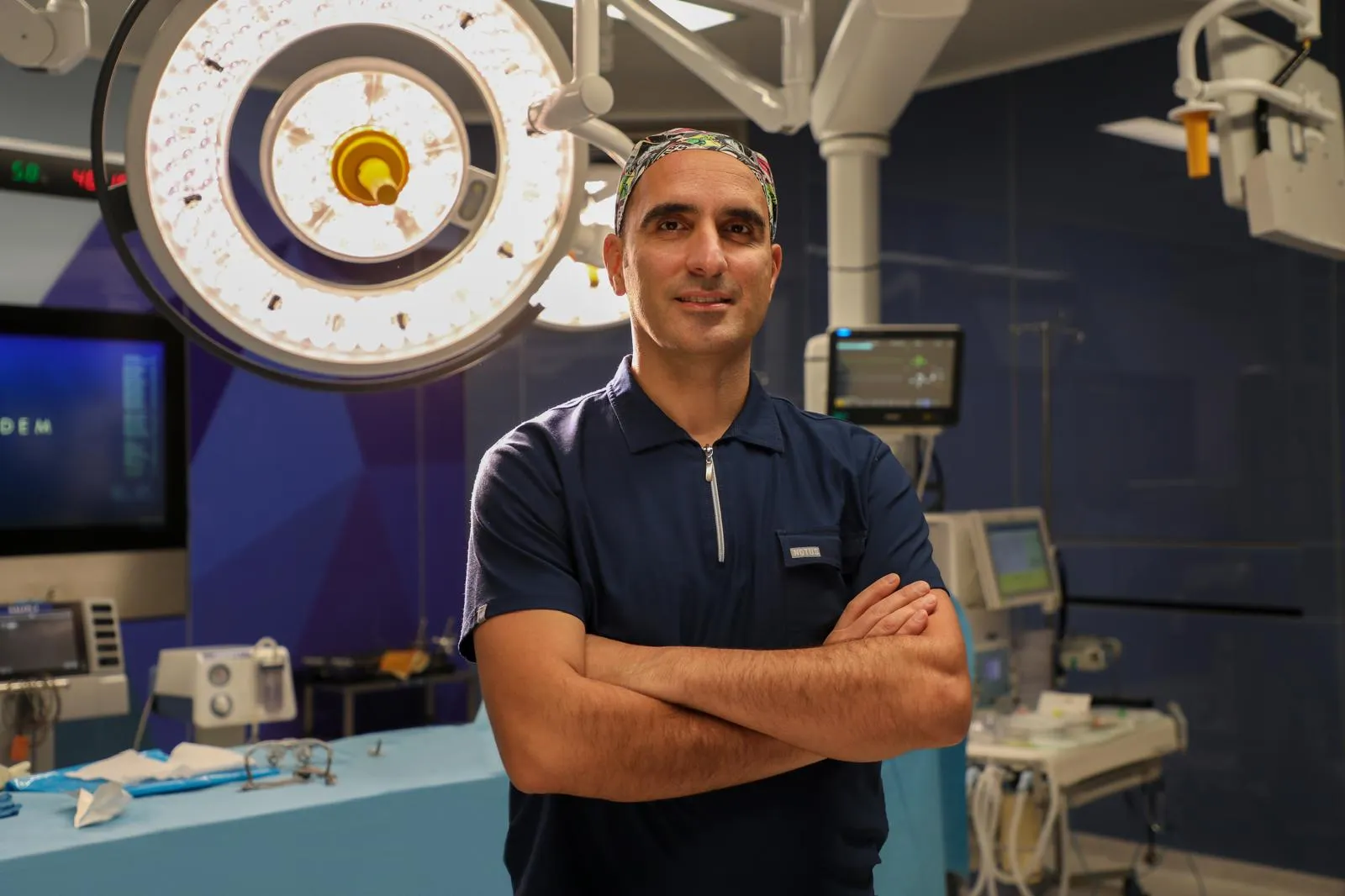
What Is Robotic Cancer Surgery?
Robotic surgery is a type of minimally invasive surgery. Despite the name, the robot does not perform the operation by itself. The surgeon remains in control throughout the procedure. The robotic system allows the surgeon to control small instruments while viewing the surgical area through a highly detailed, magnified image.
For selected procedures, this can support:
- Precise instrument movement
- Enhanced visualization
- Smaller incisions
- Access to areas that may be difficult to reach
- A minimally invasive surgical approach
However, these advantages do not automatically mean robotic surgery is the right choice for every patient.

What Do Specialists Look at Before Recommending Robotic Surgery?
The Type of Cancer
Not every cancer is treated in the same way. Robotic surgery may be considered for selected cancers where minimally invasive surgery is appropriate. For example, robotic techniques may be used in certain colorectal, stomach, prostate, kidney, gynecological, and other cancer surgeries.
The exact approach depends on where the cancer is located and what needs to be removed.
The Stage of the Cancer
The stage of the disease is another important factor. Before planning surgery, doctors usually review imaging, pathology results, and other medical information to understand:
- Where the tumor is located
- How large it is
- Whether nearby structures are involved
- Whether the disease has spread
Sometimes surgery is the main treatment. In other situations, patients may need chemotherapy, radiotherapy, or another treatment before or after surgery.
The surgical method needs to fit into the complete cancer treatment plan.

Have You Had Surgery Before?
Previous operations can affect how the next surgery is planned. Scar tissue may develop after abdominal or pelvic surgery, which can sometimes make another procedure more complex. This does not automatically mean robotic surgery cannot be performed.
The surgeon will usually review your previous operations, medical records, and imaging to understand whether a minimally invasive approach remains appropriate.
Patients with a history of several surgeries may require particularly careful planning.

Your Overall Health Matters Too
Cancer surgery is not planned only around the tumor. Doctors also need to understand whether your body can safely tolerate the procedure.
They may consider:
- Your age
- Heart and lung health
- Other medical conditions
- Current medications
- Nutritional status
- Previous cancer treatments
- General physical condition
Two patients with the same type of cancer may therefore receive different surgical recommendations.
Is Robotic Surgery Better Than Traditional Surgery?
Not automatically.
Robotic surgery is a surgical tool. It should be chosen because it makes sense for the specific patient and procedure, not simply because the technology is available.
For some patients, robotic surgery may offer a minimally invasive option with smaller incisions and precise instrument control. For others, laparoscopic or traditional open surgery may be the more appropriate approach.
The most important goal is not to use the most advanced-looking technology. It is to choose the surgical method that allows the medical team to treat the cancer safely and effectively.
Can Robotic Surgery Mean a Smaller Scar?
In many robotic procedures, surgeons can operate through several small incisions rather than one large incision.
Depending on the operation and robotic system being used, some procedures may also be performed through fewer access points.
Smaller incisions may support recovery and reduce the size of visible scars.
But scar size should never be the main reason for choosing a cancer operation.
The priority is always the cancer treatment itself.

What Should You Ask Your Surgeon?
If robotic surgery has been mentioned as an option, it is completely reasonable to ask questions.
You may want to ask:
- Why are you recommending robotic surgery for my case?
- Are there other surgical options?
- What exactly will be removed?
- Will lymph nodes also need to be removed?
- What are the possible risks?
- Could the operation need to change to open surgery?
- How long is the expected recovery?
- How experienced is the surgical team with this specific procedure?
Understanding the reason behind the recommendation can make the treatment process much clearer.
Can Your Case Be Reviewed Before You Travel to Türkiye?
For international patients, the first medical evaluation can often begin before traveling.
Depending on the case, specialists may review:
- Pathology reports
- CT, MRI, or PET-CT imaging
- Previous operation reports
- Blood test results
- Treatment history
- Current diagnosis
After reviewing the information, the medical team can explain whether additional tests are needed and which treatment options may be considered.
This can help patients understand the possible next steps before making travel arrangements.

The Most Important Question Is Not “Can
It Be Robotic?”
A better question is:
“Which surgical approach is right for my case?”
Robotic surgery can be an important option in modern cancer treatment, but it is not suitable for everyone.
The decision should always come after careful medical evaluation, review of the cancer itself, and discussion with an experienced surgical team.
At BB Global Health, international patients can have their medical records reviewed by specialists and receive guidance on possible treatment options in Türkiye through partner healthcare institutions.